
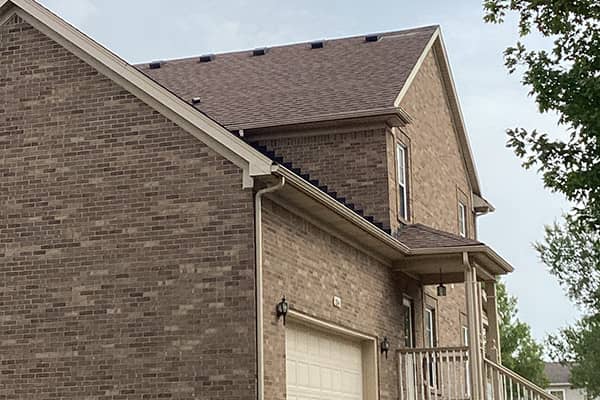
Most residential roof problems do not begin with a major collapse or water pouring through the ceiling. They usually start with something small — a missing shingle, cracked flashing, a damaged pipe boot or a gutter that is no longer draining correctly.
These issues may not look serious from the ground, but even a small opening can allow water beneath the roofing materials. Once moisture reaches the underlayment, roof decking, insulation or interior walls, the cost of the repair can increase quickly.
That is why regular roof inspections and timely maintenance are so important. A relatively simple repair today may prevent damaged ceilings, mold growth, structural deterioration and a premature roof replacement later.
Commonwealth Roofing Corp. regularly encounters the following eight residential roof repairs. Each one addresses a common weak point in the roofing system and can save homeowners significant money when completed early.
The cost examples in this article are general illustrations. Actual repair prices depend on the roof’s size, slope, material, accessibility and the extent of the existing damage.
1. Replacing Missing or Damaged Shingles
Shingles can become cracked, curled, loose or completely detached because of wind, hail, falling branches, age and repeated exposure to changing temperatures.
A few missing shingles may not seem like an emergency, especially when the roof is not actively leaking. However, shingles serve as the roof’s first layer of protection. When they are damaged or missing, the underlayment and roof decking become more exposed to rain, snow and sunlight.
A professional repair may involve removing the damaged shingles, checking the materials underneath and installing new shingles that are compatible with the existing roof.
What happens without the repair?
Water may begin working beneath the surrounding shingles and into the roof system. The moisture can damage the underlayment, soften the roof decking and eventually enter the attic.
Once water reaches the attic, it can wet insulation, stain ceilings and damage drywall. A repair that originally involved replacing a small number of shingles may become a much larger project involving decking, insulation and interior materials.
Replacing a few damaged shingles may cost a few hundred dollars, depending on the roof’s height and accessibility. Waiting until the leak reaches the interior could increase the total cost to several thousand dollars.
Acting quickly can often save the homeowner five to 10 times the cost of the initial repair.
2. Repairing Damaged Roof Flashing
Flashing is installed around chimneys, walls, roof transitions, valleys and other areas where roofing materials meet another surface. Its purpose is to direct water away from these vulnerable locations.
Flashing may become loose, bent, corroded or improperly sealed. In some cases, roofing cement or caulk may have been used as a temporary fix instead of installing the correct flashing system.
A proper repair may involve removing the surrounding shingles, replacing the damaged metal and rebuilding the area so water flows away from the opening.
What happens without the repair?
Water can enter behind the flashing and travel into the roof deck, attic or wall system. Because water may move along rafters and framing, the interior leak may appear far away from the actual roof problem.
Flashing leaks around chimneys can be especially damaging. Water may affect the roof decking, chimney structure, ceilings and nearby walls before the homeowner notices visible signs.
A localized flashing repair may cost several hundred to a few thousand dollars. If the moisture damages framing, drywall, insulation or masonry, the total expense can reach thousands or even tens of thousands of dollars.
Repairing flashing early protects both the roof and the home’s interior.
3. Replacing Cracked Pipe Boots
Plumbing vent pipes extend through many residential roofs. A pipe boot is installed around each pipe to prevent water from entering the opening.
The rubber or flexible portion of a pipe boot can crack, split or pull away from the pipe as it ages. Sunlight and changing temperatures gradually weaken the material.
Cracked pipe boots are among the most common sources of residential roof leaks. Fortunately, they are usually straightforward to repair when the surrounding roof remains in good condition.
The repair may involve replacing the entire boot or installing a compatible repair system around the pipe.
What happens without the repair?
Water can run down the outside of the vent pipe and into the attic. From there, it may soak insulation, damage decking and create stains on ceilings or walls.
Because the leak may only occur during certain rain and wind conditions, homeowners sometimes overlook the problem until the damage becomes more serious.
Replacing a pipe boot may cost a few hundred dollars. Ignoring the issue could result in drywall replacement, repainting, insulation removal and mold remediation costing several thousand dollars.
A relatively inexpensive pipe boot repair can prevent a surprisingly large amount of interior damage.
4. Repairing Roof Valleys
A roof valley is the area where two roof slopes meet. Valleys carry a large amount of rainwater toward the gutters, making them one of the hardest-working parts of a residential roof.
Shingles in a valley can become damaged, improperly cut or worn down. Valley metal may corrode or separate, and debris can collect in the channel, slowing the flow of water.
A valley repair may require removing shingles on both sides of the affected area, replacing damaged underlayment or flashing and rebuilding the valley correctly.
What happens without the repair?
Water may move beneath the shingles and spread across the roof decking. Because valleys handle concentrated water flow, even a small defect can produce a significant leak during heavy rain.
Valley leaks can damage large sections of decking and may affect several rooms beneath the roof. If the valley is located near a dormer or roof transition, the moisture may also enter walls.
A small valley repair may cost several hundred to a few thousand dollars. Replacing a long section of damaged decking, insulation and interior ceiling materials could cost much more.
Prompt repairs help prevent water from spreading through one of the roof’s most vulnerable areas.
5. Repairing Chimney and Skylight Leaks
Chimneys and skylights interrupt the roof surface and require carefully installed flashing to remain watertight.
Chimney flashing may loosen, corrode or separate from the masonry. Mortar joints and chimney caps can also deteriorate, allowing water to enter from above.
Skylight leaks may be caused by failed flashing, damaged seals, cracked glass or improper installation. In some cases, condensation around the skylight may be mistaken for a roof leak, making a professional inspection important.
Repairs may include replacing flashing, resealing joints, repairing surrounding shingles or correcting installation problems.
What happens without the repair?
Water entering around a chimney can damage roof decking, rafters, ceilings and walls. Continued moisture may also deteriorate masonry or wooden framing.
Skylight leaks can damage drywall, flooring, furniture and trim beneath the opening. The homeowner may repeatedly repair the ceiling without correcting the actual source of the water.
A flashing or sealing repair may cost hundreds or a few thousand dollars. Delaying the work can lead to interior restoration, framing repairs or complete skylight replacement.
Correctly diagnosing and repairing the source early can save the homeowner from paying for the same damage more than once.
6. Fixing Gutters and Downspouts
Gutters are an important part of the roofing system. They move water away from the roof edge, siding, windows and foundation.
Leaves, shingle granules, branches and other debris can clog gutters and downspouts. Gutters may also sag, separate from the fascia or develop leaking seams.
Maintenance may involve cleaning the system, resecuring loose sections, sealing leaks and correcting the slope so water moves toward the downspouts.
Downspouts should also discharge water far enough away from the foundation to prevent pooling around the home.
What happens without the repair?
Clogged gutters can overflow and force water beneath the roof edge. This may rot the fascia board, soffit and roof decking.
Overflowing water can also damage siding, stain exterior walls and collect near the foundation. During winter, trapped water may freeze and contribute to ice buildup along the roof edge.
A gutter cleaning or minor repair may cost a few hundred dollars. Replacing rotten fascia, soffit and roof decking can cost several thousand dollars. Foundation or basement water problems can be even more expensive.
Keeping the gutters functional is one of the simplest and most affordable ways to protect the roof and the rest of the home.
7. Replacing Localized Areas of Rotten Roof Decking
Roof decking is the wooden surface beneath the shingles and underlayment. It provides the structural base for the roofing system.
Decking can become soft, warped or rotten after repeated exposure to moisture. The damage may be caused by a long-term roof leak, poor ventilation, condensation or an opening around flashing.
During a repair, the roofing materials are removed from the affected area. Damaged decking is cut out and replaced before new underlayment and shingles are installed.
What happens without the repair?
Rotten decking loses its strength and may no longer hold roofing fasteners securely. Shingles can loosen, the roof surface may sag and workers may be unable to safely walk on the affected area.
If the deterioration continues, moisture can damage rafters, trusses and interior ceilings. A small soft spot may eventually spread across a much larger section of the roof.
Replacing a limited amount of decking during an early repair may add hundreds or a few thousand dollars to the project. Allowing the decay to spread could turn the job into a major structural repair or full roof replacement.
Removing damaged wood early helps preserve the surrounding roof and prevents the problem from expanding.
8. Correcting Attic Ventilation Problems
Although attic ventilation is not always thought of as a roof repair, it plays an important role in the roof’s performance.
A properly ventilated attic allows heat and moisture to escape. Intake vents near the roof edge work with exhaust vents near the ridge or upper roof to create consistent airflow.
Vents may become blocked by insulation, debris or improper construction. A home may also have too few vents or an unbalanced combination of intake and exhaust.
Repairs may include clearing blocked soffit vents, installing ventilation baffles, repairing ridge vents or adding properly designed ventilation.
What happens without the repair?
During the summer, excessive attic heat can increase the temperature of the roof and place additional stress on the shingles. It can also make the home’s cooling system work harder.
During colder weather, moisture from the home can collect in the attic. Condensation may wet insulation, encourage mold growth and damage roof decking.
Poor ventilation can also contribute to ice damming in colder climates. Warm attic air melts snow on the upper roof, and the water freezes again near the colder roof edge.
A ventilation correction may cost hundreds or a few thousand dollars, depending on the work required. Replacing mold-damaged insulation, rotten decking or prematurely aged shingles can cost significantly more.
Correct ventilation can help protect the roof while also improving the home’s comfort and energy performance.
Small Roof Repairs Can Prevent Major Home Expenses
A residential roof is a complete system. Shingles, flashing, underlayment, decking, ventilation and drainage components must all work together to keep water outside the home.
When one part of that system begins to fail, the damage is not always immediately visible. Water may travel beneath the roofing materials for weeks or months before a stain appears on the ceiling.
By that time, the homeowner may be dealing with more than a roof repair. Wet insulation, damaged drywall, mold, rotten wood and ruined belongings may also need attention.
Routine inspections give homeowners an opportunity to catch problems while they are still manageable. An inspection after a major storm is also valuable, especially when the roof has experienced high winds, hail or falling debris.
Homeowners should also watch for warning signs such as:
- Missing, curled or cracked shingles
- Water stains on ceilings or walls
- Shingle granules collecting in gutters
- Sagging gutters or roof areas
- Damp or musty odors in the attic
- Peeling paint near the roofline
- Daylight visible through the attic
- Unexplained increases in heating or cooling costs
Seeing one of these signs does not always mean the entire roof needs to be replaced. In many cases, a targeted repair can stop the damage and extend the roof’s service life.
Commonwealth Roofing Corp. evaluates the entire roofing system to identify the source of the problem and determine the most responsible solution. The goal is to help homeowners understand what needs immediate attention, what should be monitored and whether repairs can delay the need for a full replacement.
The sooner a roof problem is found, the more affordable the solution is likely to be. A small repair today can protect the home, preserve the existing roof and prevent thousands of dollars in avoidable damage.
Safety, Service, & Quality — every day since 1981.
Louisville: (502) 459-2216
Hebron: (859) 943-0012
Service: (888) 818-4842