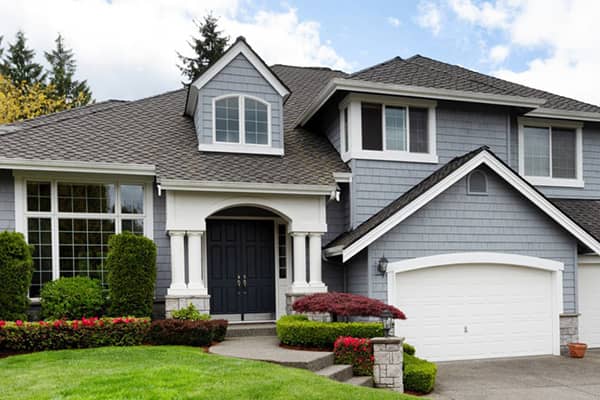
A residential roofing project takes place several feet above the ground, often on a steep surface and around power lines, landscaping, vehicles and occupied living spaces. Without careful planning, the work can create risks for roofers, homeowners and surrounding property.
That is why safety at Commonwealth Roofing Corporation begins before anyone steps onto the roof. From the initial inspection through the final cleanup, our crews follow established procedures designed to control hazards, protect the property and complete the work responsibly.
A Job-Specific Safety Plan
Every home presents a different set of challenges. Roof pitch, height, access points, weather conditions, landscaping and nearby electrical lines can all affect how the work should be performed.
Before beginning a residential project, the crew evaluates the property and determines:
- How workers will safely access the roof
- What fall-protection methods are appropriate
- Where materials and equipment will be placed
- How debris will be removed
- Which areas should be restricted during construction
- Whether weather conditions could affect the work
- How the home, driveway and landscaping will be protected
This preparation allows the crew to identify potential problems before they become active hazards.
Fall Protection on Residential Roofs
Falls are among the most serious risks in residential roofing. OSHA generally requires workers engaged in residential construction at least 6 feet above a lower level to use an approved form of fall protection. Depending on the project, this may include guardrails, safety nets, personal fall-arrest systems or other permitted protective measures. OSHA’s residential fall-protection guidance explains these requirements in greater detail.
A personal fall-arrest system may include:
- A properly fitted full-body harness
- A compatible lifeline or lanyard
- An approved anchorage point
- Connectors designed for the system
- Equipment inspected before use
Simply owning a harness is not enough. The equipment must be appropriate for the work, inspected, fitted correctly and attached to a suitable anchor. Workers also need training in how to use the system and recognize situations that could make it ineffective.
Safe Ladder Placement and Roof Access
The transition from a ladder to a roof is one of the most important points on a residential job site. Ladders must be selected, positioned and secured correctly before workers use them.
Crews should inspect ladders for damaged rungs, rails, feet and locks. They must also place ladders on stable surfaces, maintain safe climbing practices and keep access areas free of clutter.
The safest access point is not always the most convenient one. Overhead power lines, uneven ground, gutters and landscaping must all be considered when deciding where to place a ladder.
Personal Protective Equipment
Personal protective equipment, commonly called PPE, provides another layer of protection. Depending on the task, residential roofers may use:
- Hard hats
- Safety glasses
- Work gloves
- High-visibility clothing
- Slip-resistant footwear
- Hearing protection
- Respiratory protection when required
- Fall-protection equipment
Different roofing tasks create different hazards. Cutting materials, operating power tools and removing an old roof do not require exactly the same protective measures. Crews must understand which equipment is appropriate for each activity.
Weather and Heat Awareness
Roof surfaces can become extremely hot during the summer. Heat, humidity and direct sunlight can place workers at risk of dehydration and heat-related illness. Commonwealth Roofing Corporation takes heat seriously by emphasizing hydration, access to electrolytes, rest periods and awareness of heat-illness symptoms.
Rain, frost, ice and high winds can also make roofing unsafe. Wet shingles and underlayment can become slippery, while strong winds may affect workers, tools and loose materials. Work may need to be delayed or temporarily stopped when conditions become unsafe.
A schedule is never more important than the well-being of the crew or homeowner.
Protecting the Home and Its Occupants
Residential roofing safety extends beyond the people working on the roof. A responsible contractor must also protect everyone below.
During a roofing project, designated work areas may be restricted to keep homeowners, children, visitors and pets away from falling-object hazards. Materials should be staged carefully, and tools should not be left where they could slide or fall.
Crews also take steps to protect:
- Siding and windows
- Gutters and downspouts
- Driveways and walkways
- Air-conditioning equipment
- Decks, patios and outdoor furniture
- Trees, shrubs and flower beds
- Vehicles near the work area
Homeowners can help by moving vehicles, securing pets and following the project supervisor’s instructions about restricted areas.
Cleanliness Is Part of Safety
An organized job site is a safer job site. Loose packaging, removed nails, tools and roofing debris can create tripping, puncture and falling-object hazards.
Throughout the project, crews manage waste and keep access routes clear. At the end of the job, debris is collected and the surrounding property is inspected. Cleanup is not simply a cosmetic step — it is an important part of completing the work safely.
Training and Accountability
Safety equipment only works when people understand how and when to use it. Commonwealth Roofing Corporation reinforces safe work practices through employee training, job-site communication and supervision.
Workers are expected to recognize hazards, use equipment correctly and report changing conditions. If a new hazard develops, the crew can pause, reassess the situation and adjust the plan.
This creates accountability at every level of the project. Safety is not one employee’s responsibility. It is a shared responsibility across the entire crew.
A Safer Approach to Residential Roofing
Homeowners should never have to choose between quality workmanship and safe work practices. A professional roofing project requires both.
Commonwealth Roofing Corporation approaches residential work with careful planning, appropriate fall protection, proper equipment, weather awareness and respect for the homeowner’s property. These standards help protect our crews while creating a more organized and professional experience for every customer.
Before hiring a roofing contractor, ask how the company handles fall protection, training, property protection and cleanup. The answers can reveal a great deal about the contractor’s professionalism — and how seriously it takes your home.
Safety, Service, & Quality — every day since 1981.
Louisville: (502) 459-2216
Hebron: (859) 943-0012
Service: (888) 818-4842