
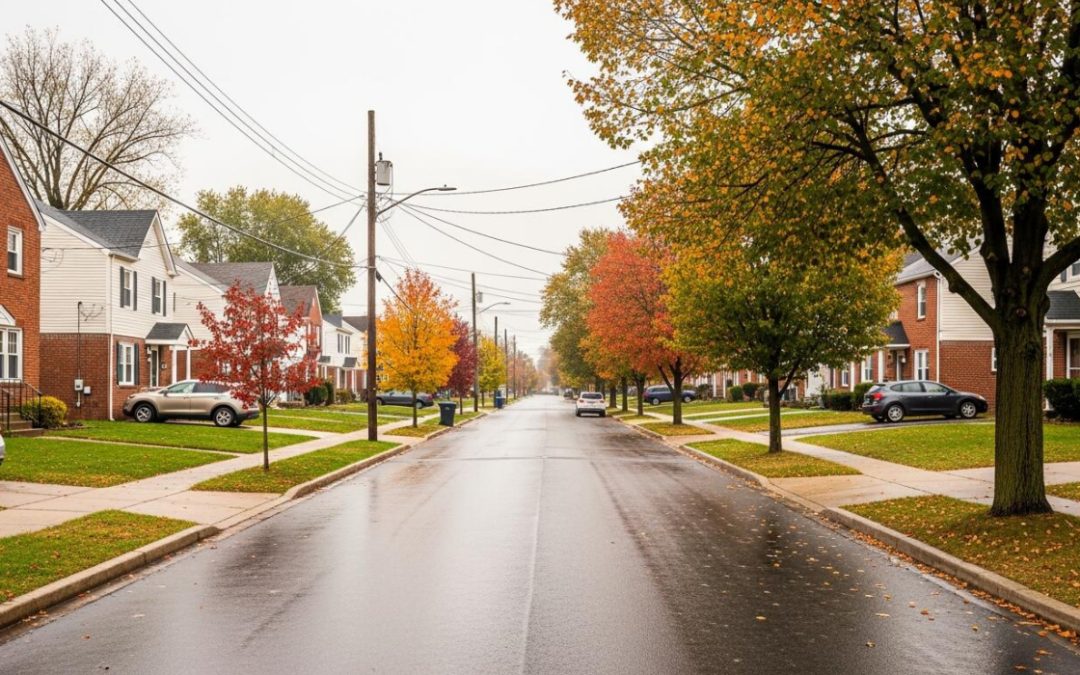
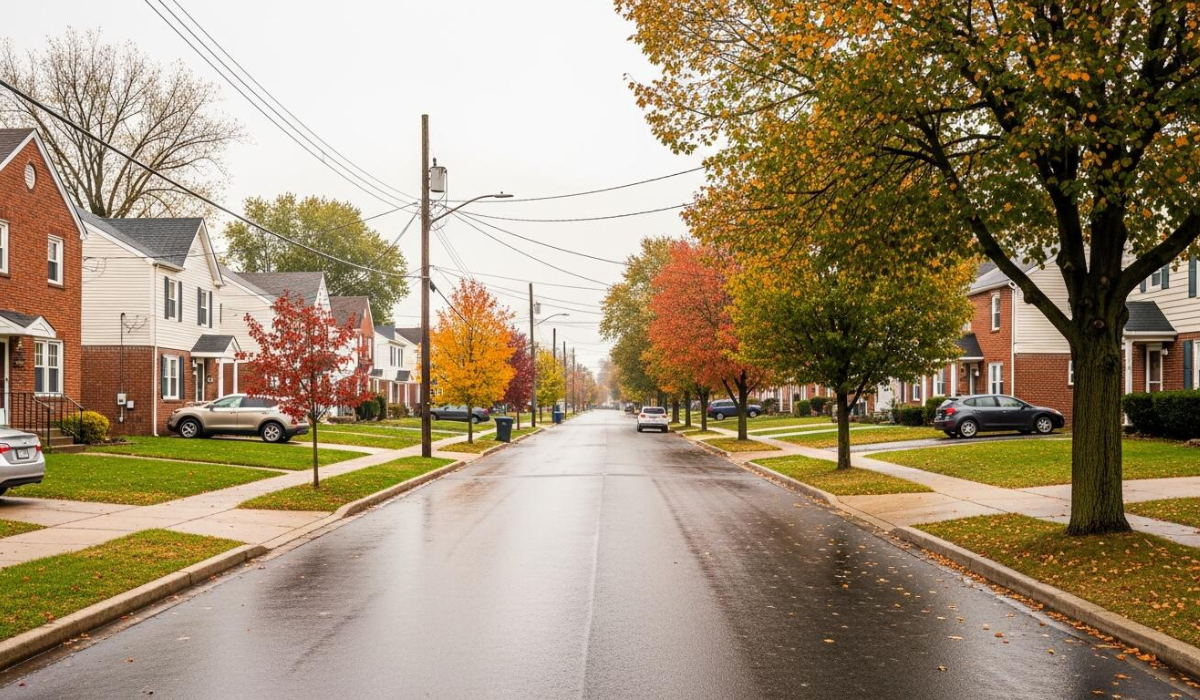
Fall feels like a break between summer storms and winter weather.
For your roof, it is something more important:
It is your last good window to find small problems before cold temperatures, rain, snow, ice and freezing conditions begin working against you.
A missing shingle in September may be a straightforward repair.
A small flashing problem discovered now may be easy to address.
A clogged gutter can be cleaned.
But if those same problems are ignored until January, they may become active leaks, wet insulation, damaged decking or an emergency roofing call during the worst possible weather.
That is why fall roof maintenance matters.
Why Fall Creates a Limited Window
Roofing work can still be performed in colder weather, but winter changes the equation.
Cold temperatures can affect how certain roofing materials, adhesives and sealants behave. Asphalt shingles also benefit from warmer conditions that help their sealant activate and bond. GAF specifically describes fall as an important final opportunity to prepare a residential roof before winter conditions arrive.
Once freezing weather, snow or ice arrives, roof access can also become more difficult.
That means the next several weeks are valuable.
The goal is simple: Go into winter with the roof as dry, secure and prepared as possible.
1. Start With a Professional Roof Inspection
You do not have to wait for a leak to have your roof inspected.
In fact, waiting for water to appear inside the house means the roof has already failed somewhere.
A fall inspection can identify problems such as:
- Missing or damaged shingles
- Loose flashing
- Cracked pipe boots
- Problems around chimneys
- Open roof-to-wall transitions
- Debris collecting in valleys
- Gutter problems
- Signs of previous storm damage
- Areas where past repairs are beginning to fail
These issues may look small now.
Winter can make them much less forgiving.
2. Pay Attention to Missing or Damaged Shingles
Shingles are your home's first layer of protection against rain, wind, snow and ice.
A cracked, lifted or missing shingle creates a weak point in that system.
Strong winter winds can make loose materials worse. Water can also reach areas that normally remain protected.
GAF recommends checking for cracked, torn, warped or missing shingles, along with exposed or damaged roof penetrations and flashing.
If something is already loose in October, do not assume it will look the same in February.
3. Clean Your Gutters Before the Leaves Win
Fall leaves are beautiful.
They are considerably less attractive when they are packed into your gutters.
Gutters need to move water away from the roof quickly.
When leaves and debris restrict that flow, water can overflow, back up or remain around the roof edge.
That becomes especially important once temperatures begin moving above and below freezing.
GAF recommends cleaning gutters and roof valleys before winter because blocked drainage can contribute to ice buildup and water backing beneath shingles.
Make sure water has somewhere to go before it begins freezing.
4. Clear Roof Valleys
Roof valleys carry concentrated water from multiple roof slopes.
They are also natural collection points for:
- Leaves
- Pine needles
- Twigs
- Seeds
- Dirt
A pile of wet leaves can slow drainage and hold moisture against the roof.
Then winter arrives.
That wet debris can freeze in place, making drainage even more difficult.
If your home has trees nearby, valleys deserve extra attention during the fall.
5. Check Flashing Before Winter Tests It
Flashing protects some of the most vulnerable areas on your roof.
You will find it around:
- Chimneys
- Walls
- Dormers
- Valleys
- Skylights
- Certain roof penetrations
Flashing's job is to direct water away from places where roofing surfaces meet something else.
Damaged or poorly installed flashing can provide water with exactly the opening it needs.
GAF identifies flashing around chimneys, walls, vent pipes and other penetrations as an important part of preventing roof leaks.
Winter does not create every flashing problem.
But it can expose one that was already there.
6. Look at Your Pipe Boots
One of the smallest roof details can cause a surprisingly annoying leak.
Pipe boots protect plumbing vents where they pass through the roof.
Over time, rubber collars can crack or deteriorate.
The opening may be tiny.
But water does not need much room to get underneath your roofing system.
Fall is a good opportunity to have pipe boots inspected and repair vulnerable ones before winter.
7. Do Not Forget the Attic
Your roof should also be evaluated from underneath.
The attic can reveal problems that are difficult to see from the outside.
Watch for:
- Water stains
- Damp decking
- Wet insulation
- Condensation
- Musty odors
- Frost or moisture on roofing nails
- Improper bathroom exhaust ventilation
Attic ventilation becomes especially important during cold weather.
Warm air reaching a cold roof deck can contribute to moisture and condensation problems. Proper attic ventilation also helps reduce conditions associated with ice dams.
What Is an Ice Dam?
Ice dams can form when snow melts on a warmer portion of the roof and the water then refreezes near the colder roof edge.
As ice builds up, additional meltwater may become trapped behind it.
That water can work beneath shingles and potentially reach the attic, insulation, walls or ceilings.
Ice dams can contribute to:
- Roof leaks
- Wet insulation
- Damaged shingles
- Gutter damage
- Wet roof decking
- Ceiling stains
- Wall damage
Proper insulation, air sealing and attic ventilation can help reduce the conditions that contribute to ice dam formation.
What Happens If You Ignore a Small Leak Before Winter?
This is where fall maintenance becomes important.
Imagine a small opening around flashing.
Rain gets inside.
Then temperatures fall.
Moisture freezes.
Temperatures rise.
It thaws.
Then everything freezes again.
Winter repeatedly exposes roofing materials to changing temperatures, moisture, snow and ice.
The problem you ignored in October may not remain the same size all winter.
By spring, you could be looking at:
Wet insulation.
Insulation does not perform the way it should when saturated with moisture.
Damaged decking.
Repeated moisture exposure can deteriorate the wood beneath your shingles.
Interior staining.
A small attic leak can eventually reach ceilings and walls.
Mold or moisture problems.
Persistent moisture inside an attic can create additional concerns.
Larger repairs.
What could have been a localized repair in fall may require considerably more work after months of water intrusion.
Your Fall Roof Checklist
Before winter arrives, homeowners should consider having these areas evaluated:
- Shingles
- Chimneys
- Flashing
- Pipe boots
- Roof valleys
- Gutters and downspouts
- Attic ventilation
- Attic moisture
- Previous repairs
- Storm-damaged areas
You do not need to climb onto the roof yourself.
In fact, steep roofing, damp fall leaves and frost can make roof access dangerous.
A professional inspection provides a safer and more complete view.
Do Not Wait for Winter to Tell You Something Is Wrong
There is a big difference between discovering a roof problem during a fall inspection and discovering it when water is dripping through the ceiling during a January storm.
Fall gives you time.
Time to inspect.
Time to repair.
Time to improve drainage.
Time to correct ventilation concerns.
And, most importantly, time to make decisions before winter makes them for you.
At Commonwealth Roofing Corp., we want homeowners to enter winter knowing what condition their roof is actually in.
Sometimes your roof needs a simple repair.
Sometimes it needs maintenance.
Sometimes a larger issue needs to be addressed.
The important thing is finding out before the first freeze.
Safety, Service, & Quality — every day since 1981.
Louisville: (502) 459-2216
Hebron: (859) 943-0012
Service: (888) 818-4842