
Winter can turn small roofing problems into expensive repairs. Is your home ready?
As temperatures begin to drop, homeowners should consider whether their roofs are prepared for freezing temperatures, snow, ice and winter storms.
Missing shingles, deteriorating flashing and clogged gutters might not seem like urgent concerns during mild fall weather. However, these vulnerabilities can become much more serious when water freezes, thaws and finds its way into damaged areas.
The good news? Many winter roofing problems can be prevented with timely maintenance and targeted repairs.
Here are seven roofing problems homeowners should consider addressing before winter arrives.
1. Replace Missing or Damaged Shingles
Your shingles are your roof's first line of defense against rain, snow and ice.
When shingles become cracked, loose or missing, the underlying roofing materials become more vulnerable to water intrusion.
Winter winds can worsen existing shingle damage, while melting snow and ice can expose weak points in the roofing system.
What to look for:
- Missing or visibly displaced shingles
- Cracked, curling or broken shingles
- Shingles that appear loose or lifted
- Areas where underlying roofing materials are exposed
Replacing a few damaged shingles before winter may help prevent much more extensive repairs later.
2. Repair Damaged Roof Flashing
Flashing is the metal material installed around roof transitions and penetrations to help direct water away from vulnerable areas.
You'll commonly find flashing around chimneys, skylights, walls and other roofing features.
Over time, flashing can become loose, damaged or separated from surrounding materials.
When temperatures fluctuate, existing gaps and weak points can allow melting snow or rainwater to enter.
Common warning signs include:
- Rusted or visibly deteriorating flashing
- Loose or displaced metal sections
- Failed sealant around roofing transitions
- Water stains near chimneys or skylights
Addressing damaged flashing before freezing weather can help reduce the risk of winter leaks.
3. Fix Vulnerable Pipe Boots and Roof Penetrations
Plumbing vents and other pipes extending through your roof require properly installed flashing and seals to keep water out.
Unfortunately, the materials surrounding these penetrations can deteriorate over time.
Rubber pipe boots, for example, may crack or separate with age and weather exposure.
These seemingly minor openings can allow water to enter the roofing system, potentially damaging the roof decking, insulation and interior ceilings.
A professional roofer can examine these vulnerable areas and recommend repairs or replacement of deteriorated components.
4. Clear and Repair Gutters
Your gutters play an important role in protecting your roof during the winter.
When gutters become clogged with leaves, branches and other debris, water may overflow or fail to drain away from your home.
During freezing weather, drainage problems can contribute to ice accumulation around roof edges.
Ice dams can form when melting snow refreezes near the eaves, potentially trapping water behind the ice and allowing it to work beneath roofing materials.
Before winter, homeowners should address:
- Gutters clogged with leaves and debris
- Loose or sagging gutter sections
- Damaged gutter connections
- Blocked or disconnected downspouts
Keeping gutters clear won't prevent every ice dam, but proper drainage is an important part of winter roof preparation.
5. Address Problems Around Roof Valleys
Roof valleys are the areas where two sloping sections of a roof meet.
Because valleys collect and channel water from multiple sections of the roof, they are particularly important areas to maintain.
Damaged shingles, deteriorated flashing or accumulated debris can interfere with proper drainage and increase the risk of leaks.
During winter, snow and ice may accumulate in these areas, making existing vulnerabilities more concerning.
What should homeowners do?
Have a roofing professional inspect any valleys with visible damage, recurring debris accumulation or a history of leaks.
Targeted repairs may help prevent water intrusion without requiring extensive work elsewhere on the roof.
6. Investigate Existing Leaks Before They Get Worse
Have you noticed a small water stain on your ceiling or occasional dripping during heavy rainfall?
Don't assume the problem can wait until spring.
Winter weather can make existing leaks more difficult to identify and repair, particularly when snow or ice prevents safe access to the roof.
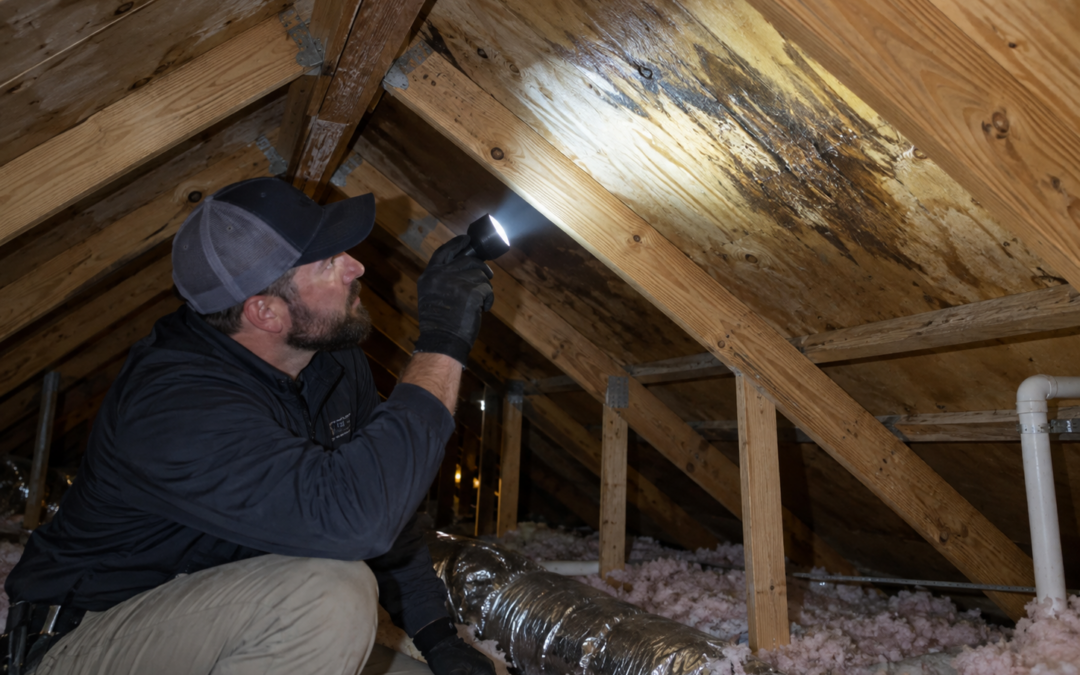
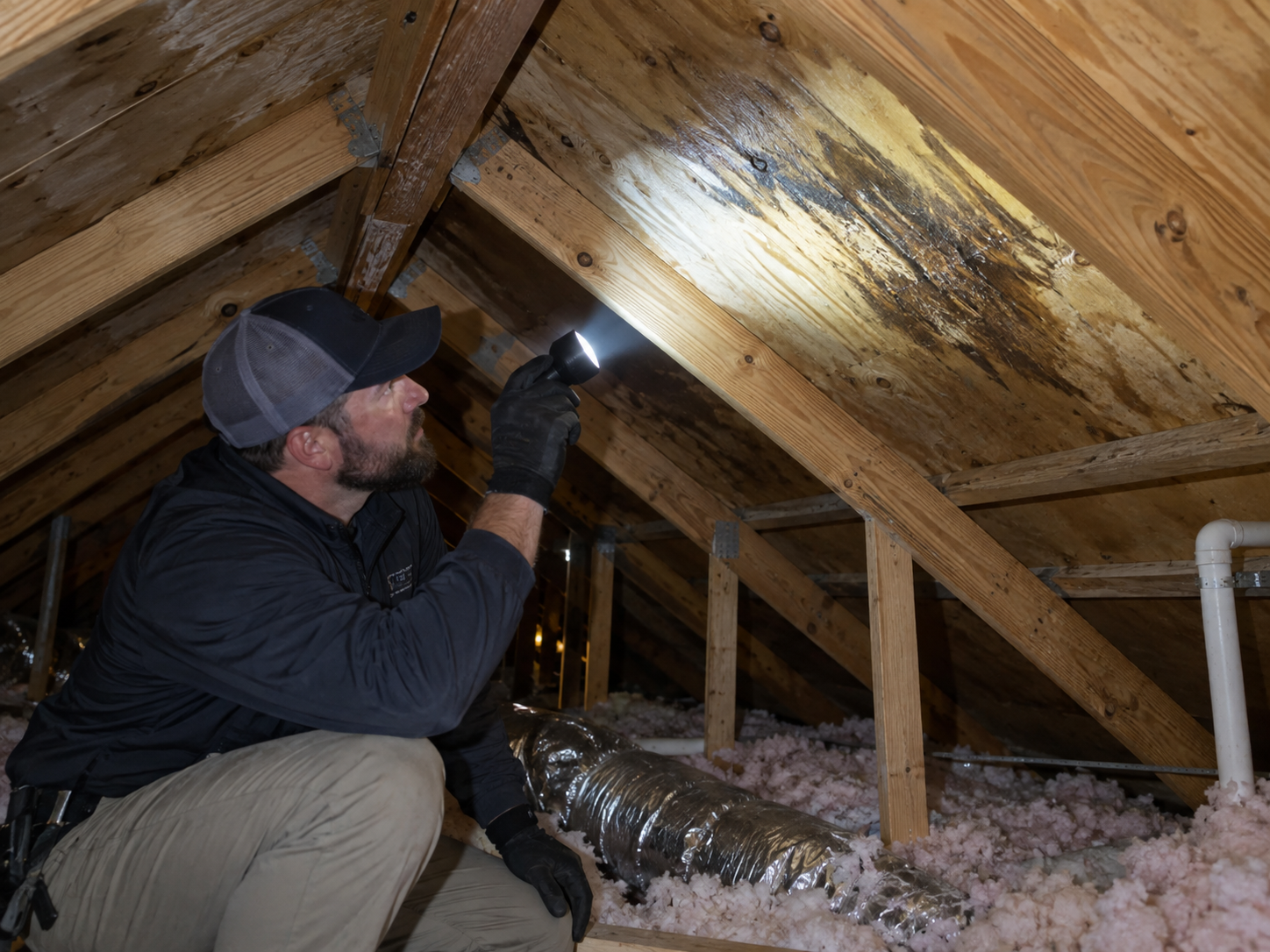
Water intrusion can also damage insulation, drywall, roof decking and other materials if left unaddressed.
Warning signs include:
- Discolored ceilings or walls
- Damp insulation in the attic
- Water stains around vents or chimneys
- Peeling paint near the ceiling
- Recurring leaks during rainfall
Finding and repairing the source of a leak before winter can help homeowners avoid unnecessary interior damage.
7. Address Attic Ventilation and Insulation Problems
Not every winter roofing problem begins on the outside of your home.
Poor attic insulation, air leakage and inadequate ventilation can contribute to uneven roof temperatures and increase the potential for ice dams.
When heat escapes into the attic, it can warm portions of the roof and cause accumulated snow to melt.
That water may then refreeze near colder roof edges, creating ice buildup.
Signs that your attic may need attention include:
- Recurring ice dams along roof edges
- Uneven snowmelt patterns on the roof
- Excessive heat loss into the attic
- Visible moisture or condensation problems
A qualified professional can help determine whether improvements to insulation, air sealing or ventilation are necessary.
Which Roof Repairs Should Come First?
Not every roofing issue requires immediate attention, especially when homeowners are working within a budget.
However, certain problems should be prioritized before freezing weather arrives.
High-priority repairs:
- Active roof leaks
- Missing shingles or exposed roofing materials
- Damaged flashing that may allow water intrusion
- Cracked or deteriorated pipe boots
- Significant drainage problems
Other maintenance concerns:
- Minor cosmetic discoloration
- Isolated granule loss without other signs of deterioration
- Minor cosmetic wear that does not compromise the roofing system
The condition and urgency of any roofing issue should be evaluated individually.
The goal isn't to replace everything. It's to repair what matters before a small problem becomes a major expense.
Don't Wait Until Winter to Make Roof Repairs
As temperatures drop, roofing work can become more challenging.
Snow, ice and freezing conditions can create unsafe working environments, while some roofing materials and repair methods have temperature-related installation requirements.
In certain circumstances, roofing crews may be unable to safely access your roof until conditions improve.
That means waiting until winter to address a known problem could leave your home vulnerable during a period when repairs are more difficult to complete.
Fall is an important opportunity to address roofing concerns while conditions are more favorable.
Let Commonwealth Roofing Help You Prepare for Winter
At Commonwealth Roofing Corp., we believe the best roofing solution isn't always a complete replacement.
Our residential roofing professionals focus on identifying problems, recommending practical repairs and helping homeowners get the most life out of their existing roofing systems.
Whether you're dealing with missing shingles, damaged flashing, recurring leaks or other roofing concerns, our team can help determine which repairs deserve attention before winter.
Don't let a minor roofing problem turn into a winter emergency. Schedule a residential roof inspection with Commonwealth Roofing Corp. before freezing weather arrives.
Protect your home. Avoid unnecessary expenses. Extend the life of your roof.
Safety, Service, & Quality — every day since 1981.
Louisville: (502) 459-2216
Hebron: (859) 943-0012
Service: (888) 818-4842