
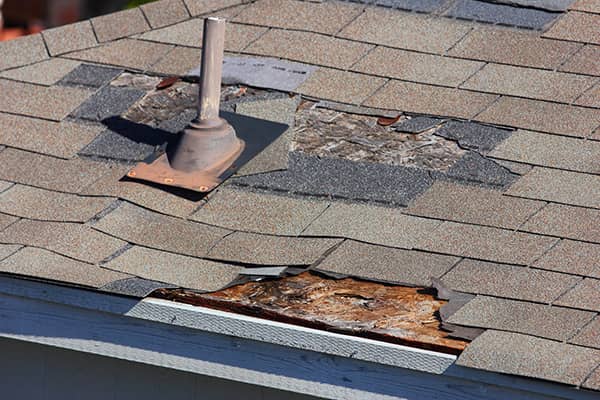
A roof leak may begin as a small stain on the ceiling, a damp area in the attic or an occasional drip during heavy rain. However, even a minor leak can lead to damaged insulation, mold growth, deteriorated roof decking and expensive interior repairs when it is not addressed quickly.
Finding the source of a roof leak is not always as simple as looking directly above the visible water damage. Water can enter through one section of the roof, travel along the decking or framing and appear several feet away from the original opening.
Understanding the most common causes of residential roof leaks can help homeowners recognize warning signs and know when to schedule a professional inspection.
1. Missing, Cracked or Damaged Shingles
Asphalt shingles are designed to shed water down the surface of the roof. When shingles are missing, cracked, torn or displaced, the protective layers beneath them become more vulnerable to moisture.
Shingle damage can be caused by:
- High winds
- Hail
- Falling branches
- Improper installation
- Normal aging
- Repeated temperature changes
- Foot traffic
- Previous repair work
A missing shingle does not always cause an immediate leak. The underlayment may provide temporary protection, but it is not intended to remain exposed for long periods.
Cracked or lifted shingles can also allow wind-driven rain to reach nail holes, seams and other vulnerable areas underneath the roof covering.
Homeowners should look for bare spots, uneven shingle lines, loose pieces in the yard and shingles that appear curled or raised after a storm.
2. Failed Roof Flashing
Flashing is installed around roof transitions and penetrations to direct water away from vulnerable areas. It is commonly found around:
- Chimneys
- Skylights
- Plumbing vents
- Roof-to-wall intersections
- Valleys
- Dormers
- HVAC penetrations
- Roof edges
Flashing may be made from metal, rubber or another weather-resistant material. When it is properly installed, flashing creates a barrier in areas where shingles alone cannot provide complete protection.
Flashing can fail when it becomes loose, corroded, cracked or improperly sealed. Problems may also occur when flashing was installed incorrectly during the original roof installation or a later repair.
Temporary roofing cement is sometimes used to cover a flashing problem. While sealants may be appropriate as part of certain repairs, simply spreading roofing cement over damaged flashing does not always provide a lasting solution.
The affected area may need to be disassembled so the underlying flashing can be repaired or replaced correctly.
3. Worn or Cracked Pipe Boots
Plumbing vent pipes extend through many residential roofs. A pipe boot, sometimes called a pipe flashing, seals the area around the pipe and helps prevent water from entering the roof assembly.
Many pipe boots include a rubber collar that fits tightly around the vent pipe. Over time, sunlight and temperature changes can cause the rubber to crack, split or pull away from the pipe.
Once the seal fails, water can run down the outside of the vent pipe and enter the attic.
Pipe boot leaks are especially common because the damaged area may be small and difficult to see from the ground. Inside the attic, homeowners may notice damp insulation, stained decking or water marks near the plumbing vent.
Replacing a failed pipe boot early can help prevent damage to the surrounding roof materials.
4. Damaged or Improperly Sealed Roof Valleys
A roof valley is the area where two roof slopes meet. Valleys collect water from multiple sections of the roof and direct it toward the gutters.
Because valleys carry a large volume of water, they must be installed and maintained carefully. A problem in a valley can allow significant amounts of moisture to enter the roof during heavy rain.
Valley leaks may be caused by:
- Cracked shingles
- Improperly cut shingles
- Exposed fasteners
- Debris accumulation
- Damaged underlayment
- Poor installation
- Deteriorated sealant
- Corroded metal valley flashing
Leaves, branches and other debris can slow water movement through the valley. This can cause water to back up underneath shingles, particularly during intense rain.
A professional roofer should evaluate valley problems because improper repairs can redirect water into another part of the roof.
5. Clogged or Damaged Gutters
Gutters are not technically part of the roof membrane, but they play an important role in moving water away from the roof, siding and foundation.
When gutters are filled with leaves, roofing granules or other debris, water may overflow or back up along the roof edge.
This can contribute to:
- Rotted fascia boards
- Damaged soffits
- Water behind the gutters
- Deteriorated roof decking
- Basement or foundation moisture
- Ice dams during cold weather
Gutters may also leak when joints separate, hangers loosen or sections become bent.
Water flowing over the back of a gutter can make it appear that the roof is leaking. However, the moisture may actually be entering through damaged fascia, soffits or roof-edge components.
Cleaning the gutters and correcting drainage problems can help protect both the roof and the rest of the home.
6. Chimney Problems
Chimneys create several potential entry points for water. Leaks may develop around the chimney flashing, mortar joints, chimney cap or masonry itself.
Common chimney-related leak sources include:
- Loose step flashing
- Failed counterflashing
- Cracked mortar
- Deteriorated brick
- Missing chimney caps
- Damaged chimney crowns
- Openings around vents or flues
Brick and mortar can absorb water, especially as the masonry ages. During freezing weather, trapped moisture can expand and cause cracking.
Water may also enter where the chimney meets the roof if the flashing system is incomplete or improperly installed.
A chimney leak may require both roofing and masonry repairs. Sealing the visible area with caulk may not solve the underlying problem.
7. Skylight Leaks
A properly installed skylight should include a flashing system designed to direct water around the opening.
Leaks can develop when the skylight flashing becomes damaged, the seal around the glass fails or condensation collects inside the skylight assembly.
Skylight leaks may be caused by:
- Improper installation
- Aging seals
- Cracked glass
- Damaged flashing
- Debris buildup
- Condensation
- Roof movement
- Failed underlayment
Water stains near a skylight do not always mean rain is entering from outside. Warm, humid indoor air can condense on a cold skylight surface and drip onto the surrounding drywall.
A professional inspection can help determine whether the issue is related to the roof, the skylight itself or indoor humidity.
8. Exposed or Backed-Out Roofing Nails
Roofing nails should be installed in the correct location and driven to the proper depth.
When a nail is underdriven, overdriven or placed outside the manufacturer’s approved fastening area, it can weaken the shingle system.
Nails may also gradually back out of the roof decking as the materials expand and contract. Once the nail head lifts, it can raise the shingle and create an opening for water.
Exposed nails are sometimes found on ridge caps, flashing details and previous repair areas. These fasteners should be properly sealed or replaced as part of a professional repair.
Simply covering every visible nail with sealant may provide temporary protection, but it may not correct improper fastening or damaged shingles underneath.
9. Storm Damage
Wind, hail and falling debris can damage a residential roof even when the problems are not immediately visible from the ground.
High winds can lift shingles and weaken the adhesive seals that help hold them in place. A shingle may settle back into position after the storm while still remaining damaged.
Hail can fracture shingle mats, loosen protective granules and damage metal flashing or vents. Larger impacts may create visible cracks, while smaller damage may shorten the roof’s service life over time.
Falling branches can puncture shingles, break decking and damage gutters.
Homeowners should consider scheduling a professional roof inspection after a major storm, especially when nearby properties have visible damage.
Roof inspections can also provide photographs and documentation that may be useful when discussing storm damage with an insurance company.
10. Ice Dams
Ice dams form when snow melts on a warmer section of the roof and refreezes near the colder roof edge.
As additional snow melts, water can collect behind the ice. The backed-up water may move underneath shingles and enter the roof assembly.
Ice dams are often connected to uneven roof temperatures caused by:
- Inadequate attic insulation
- Air leakage from the living space
- Poor attic ventilation
- Blocked soffit vents
- Heat loss around attic penetrations
Removing the visible ice does not correct the underlying cause. The home may also need improvements to its insulation, air sealing or ventilation.
Ice dams can damage shingles, gutters, fascia, insulation, ceilings and interior walls. They should be addressed carefully to avoid causing additional roof damage.
11. Attic Condensation and Poor Ventilation
Not every apparent roof leak is caused by rain entering from outside.
Moisture can develop inside the attic when warm, humid air from the home rises and meets colder roof surfaces. This may create condensation on roof decking, nails and framing.
Common contributors include:
- Inadequate attic ventilation
- Blocked intake vents
- Bathroom fans venting into the attic
- Kitchen exhaust entering the attic
- Missing air sealing
- Insufficient insulation
- High indoor humidity
Condensation can wet insulation, promote mold growth and cause roof decking to deteriorate. The symptoms may resemble a traditional roof leak, including damp wood, staining and water spots on the ceiling.
Cleaning visible mold or replacing wet insulation will not solve the problem if the ventilation or moisture source remains unresolved.
A complete inspection should consider both exterior roof conditions and the attic environment.
12. Aging Roofing Materials
Every residential roof has a limited service life. Over time, shingles lose granules, sealants deteriorate, flashing corrodes and materials become less flexible.
Signs of an aging asphalt roof may include:
- Curling shingles
- Cracked shingles
- Missing granules
- Exposed fiberglass
- Frequent repair needs
- Brittle roofing materials
- Widespread staining
- Repeated leaks
An older roof does not automatically need to be replaced. Some roofs can remain serviceable with targeted repairs and maintenance.
However, when damage is widespread or leaks repeatedly develop in different areas, replacement may be more practical than continuing to repair isolated problems.
A qualified contractor should explain whether the roof can be repaired, maintained or restored — or whether replacement is the more responsible long-term option.
13. Improper Roof Installation
Some roof leaks begin long before the homeowner notices them.
Improper installation can reduce the performance and service life of an otherwise good roofing product. Common installation problems include:
- Incorrect nail placement
- Too few fasteners
- Poorly installed flashing
- Improper shingle exposure
- Missing underlayment
- Incorrect valley construction
- Inadequate ventilation
- Reused flashing
- Unsealed penetrations
- Poor roof-edge details
These issues may not cause immediate leaks. Problems often appear later after the roof has been exposed to wind, rain, snow and temperature changes.
This is one reason homeowners should evaluate a contractor’s experience, insurance coverage, inspection process, written scope of work, manufacturer certifications, safety procedures and workmanship warranty before hiring them.
14. Damage From Trees and Animals
Overhanging branches can scrape against shingles, remove granules and damage the roof during high winds. Leaves and twigs may also accumulate in valleys and gutters, slowing drainage.
Animals can create additional problems. Squirrels, raccoons, birds and other wildlife may damage soffits, vents, flashing or roof edges while attempting to enter the attic.
Small openings around deteriorated wood or loose flashing can become larger over time.
Keeping branches trimmed away from the roof and addressing animal entry points early can help prevent damage.
15. Previous Repairs That Have Failed
Older roof repairs are common leak sources, particularly when they were performed with temporary materials or without addressing the original cause.
Failed repairs may include:
- Cracked roofing cement
- Loose patches
- Unsealed fasteners
- Improperly layered shingles
- Caulk applied over wet materials
- Incompatible roofing products
- Repairs installed over damaged decking
A repair may appear successful during light rain but fail during wind-driven rain or a longer storm.
Professional leak detection involves more than covering the visible opening. The contractor should identify how water is entering, determine how far the damage extends and repair the complete assembly.
Warning Signs of a Residential Roof Leak
Homeowners should not wait for water to drip from the ceiling before investigating a potential problem.
Common warning signs include:
- Water stains on ceilings or walls
- Damp or compressed insulation
- Mold or musty odors in the attic
- Darkened roof decking
- Peeling interior paint
- Bubbling drywall
- Rusted roofing nails
- Daylight visible through the attic
- Missing or damaged shingles
- Granules collecting in gutters
- Sagging roof areas
- Water near chimneys, skylights or vents
Some stains may remain dry for months and become active only during specific wind or rain conditions. Even an older stain should be evaluated to determine whether the leak was properly repaired.
Why Roof Leaks Should Be Repaired Quickly
An uncontrolled roof leak can affect more than the shingles.
Water intrusion may damage:
- Attic insulation
- Roof decking
- Rafters and framing
- Ceilings and drywall
- Electrical components
- Interior finishes
- Personal property
- Attic ventilation components
- Indoor air quality
Moisture may also create conditions that support mold growth. Simply cleaning visible mold does not solve the problem if a roof leak, condensation issue or ventilation defect continues to introduce moisture.
Prompt repairs are usually less expensive than waiting for the damage to spread.
What Should You Do When You Discover a Roof Leak?
When it is safe to do so, move furniture and valuables away from the affected area. Place a container beneath active drips and document the damage with photographs.
Do not climb onto a wet, icy or storm-damaged roof. Residential roofs can be dangerous, and damaged materials may not support weight as expected.
Schedule a professional inspection so the cause of the leak can be identified. A qualified roofer should inspect the roof surface, penetrations, flashing, drainage components and attic when accessible.
The inspection should help determine whether the problem requires a minor repair, more extensive corrective work or a broader roofing solution.
A Professional Inspection Can Find the Source
Roof leaks can result from damaged shingles, failed flashing, clogged gutters, poor ventilation, aging materials or several problems occurring at the same time.
Because water can travel through the roof assembly before becoming visible, the source may not be directly above the stain inside the home.
Commonwealth Roofing Corp. provides professional residential roof inspections, repairs, maintenance and replacement services. Our team can evaluate the condition of your roof, document the issues and recommend a solution based on the actual cause of the leak.
Addressing a small problem today may help prevent damaged insulation, deteriorated decking, mold growth and more expensive repairs later.otect the home, preserve the existing roof and prevent thousands of dollars in avoidable damage.
Safety, Service, & Quality — every day since 1981.
Louisville: (502) 459-2216
Hebron: (859) 943-0012
Service: (888) 818-4842