
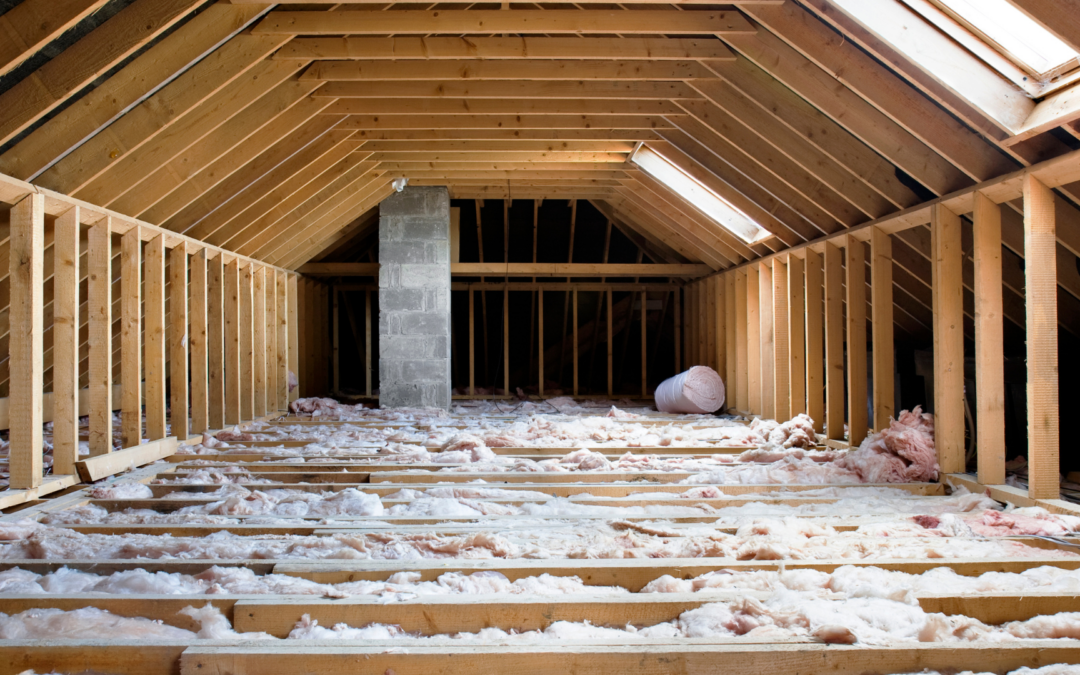
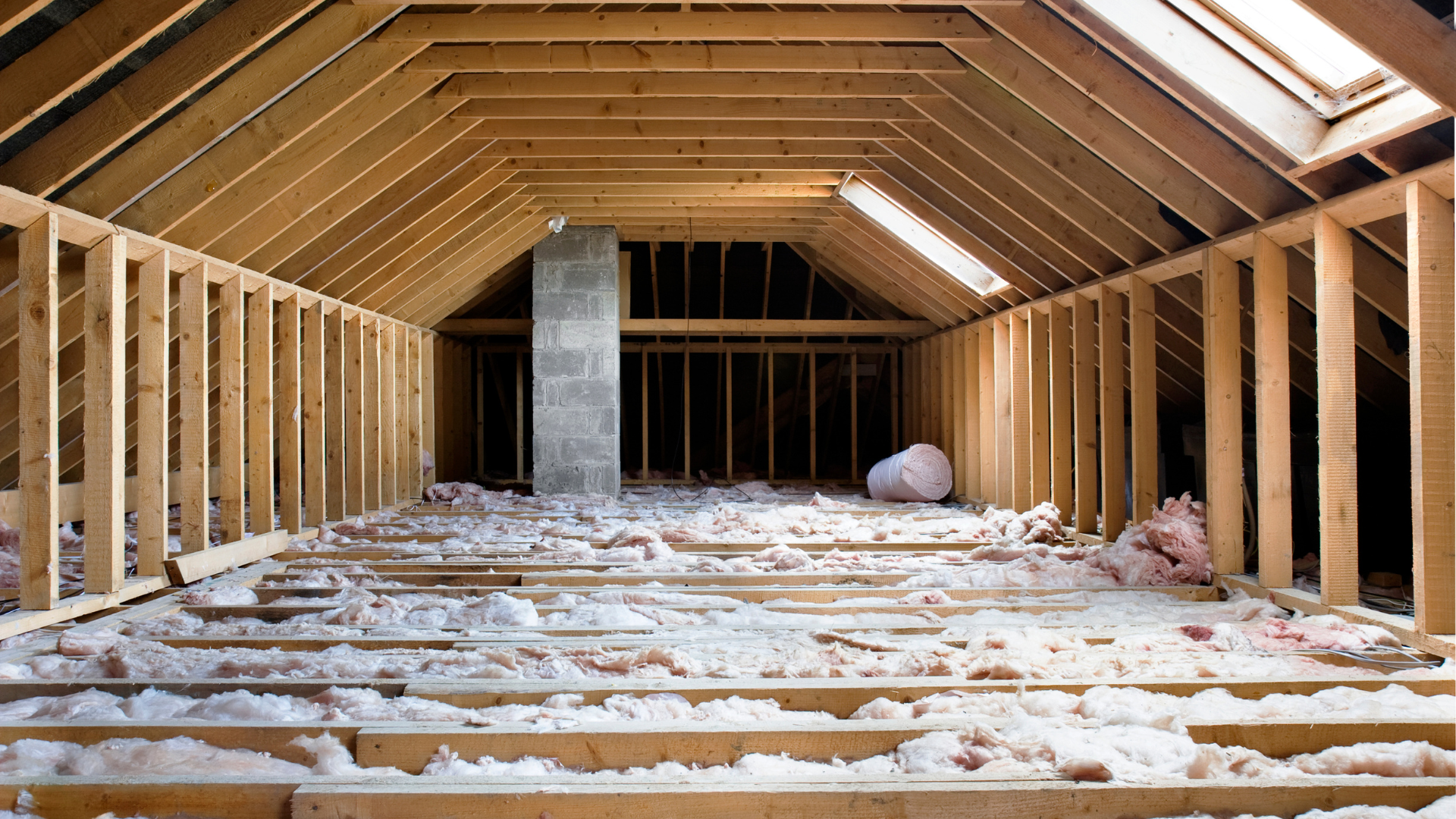
You lower the thermostat, close the blinds and keep the air conditioner running, but the second floor still feels noticeably warmer than the rest of the house.
The bedrooms are uncomfortable at night. The hallway feels stuffy. Ceiling fans run constantly, and the air conditioner seems to work harder without solving the problem.
Many homeowners assume the HVAC system is responsible. While heating and cooling equipment can certainly contribute to uneven temperatures, the real problem may be above the ceiling.
Your roof and attic play a major role in controlling heat, airflow and moisture inside your home. When attic ventilation is blocked, insulation is insufficient or roof leaks allow moisture into the attic, the upper level of the home may become much harder to cool.
Before replacing your air conditioner or accepting high summer energy bills, it may be worth taking a closer look at the roof and attic.
Why Second Floors Are Often Hotter
Heat naturally rises, so upper floors commonly feel warmer than lower levels. However, a major temperature difference may indicate that the home is not managing heat effectively.
During a sunny summer day, roofing materials can absorb a significant amount of heat. That heat transfers into the attic, where it should be managed through a combination of ventilation, insulation and air sealing.
When those systems work correctly, they help reduce the amount of heat that reaches the rooms below. When one or more of them fail, the attic can become extremely hot, forcing the air conditioner to work harder to maintain comfortable temperatures.
A hot second floor is not always caused by one major defect. It is often the result of several smaller problems working together.
1. The Attic May Not Have Enough Ventilation
Attic ventilation allows outside air to enter through lower intake vents and exit through upper exhaust vents.
In a balanced system, cooler air typically enters through soffit or eave vents. As attic air becomes warmer, it rises and exits through ridge vents, roof vents or another properly designed exhaust system.
Problems occur when:
- Soffit vents are blocked by insulation
- Intake ventilation is inadequate
- Ridge vents are damaged or improperly installed
- Exhaust vents are covered or obstructed
- Different ventilation systems interfere with one another
- The attic was never designed with enough airflow
- A roof replacement changed the original ventilation system
Without proper airflow, heat can remain trapped in the attic. That accumulated heat may radiate downward through ceilings and walls, making upstairs rooms uncomfortable even when the air conditioner is operating.
Poor attic ventilation can also contribute to moisture problems during other seasons. Warm, humid air from inside the home may enter the attic and condense on cold surfaces, potentially affecting insulation, roof decking and framing.
2. Attic Insulation May Be Insufficient
Insulation helps slow heat transfer between the attic and the living space.
During the summer, it reduces the amount of attic heat that moves into the rooms below. During the winter, it helps keep heated indoor air from escaping through the ceiling.
Older homes may not have enough insulation to meet modern expectations. Insulation can also lose effectiveness when it is:
- Compressed
- Unevenly installed
- Displaced by contractors or stored belongings
- Contaminated by pests
- Damaged by moisture
- Missing around attic hatches
- Thin near eaves or exterior walls
Some areas may have adequate insulation while others have little protection. This can create hot spots in specific rooms or parts of the second floor.
Adding insulation may improve comfort, but homeowners should not simply cover an existing moisture problem. Wet or mold-contaminated insulation should be evaluated before additional material is installed.
3. Air Leaks May Allow Heat to Enter Upstairs Rooms
Insulation slows heat movement, but it does not necessarily stop uncontrolled airflow.
Gaps and openings between the living space and attic may allow hot attic air to move into the home. Conditioned indoor air may also escape into the attic, increasing the cooling system’s workload.
Common air leakage points include:
- Attic access doors
- Pull-down attic stairs
- Recessed lighting
- Plumbing penetrations
- Electrical wiring openings
- Bathroom exhaust fan housings
- Gaps around chimneys
- Wall top plates
- Duct penetrations
An attic hatch that is poorly sealed or uninsulated can allow a surprising amount of heat into an upstairs hallway. Recessed lights and utility openings may create similar problems across multiple rooms.
Air sealing and insulation often work best together. Adding insulation without addressing major air leaks may leave homeowners disappointed with the results.
4. A Roof Leak May Have Damaged the Insulation
Not every roof leak creates an obvious stain on the ceiling.
Water may enter around flashing, vents, valleys, chimneys, damaged shingles or roof penetrations. It can travel along rafters, decking or insulation before becoming visible inside the home.
If attic insulation becomes wet, it may lose some of its ability to resist heat transfer. Wet insulation can also hold moisture against wood components, potentially contributing to:
- Mold growth
- Roof decking deterioration
- Damaged rafters or framing
- Ceiling stains
- Drywall damage
- Musty odors
- Reduced indoor air quality
- Electrical concerns
A homeowner may notice that one bedroom feels especially hot without realizing that the insulation above it has been affected by a small roof leak.
Simply drying the ceiling or cleaning visible mold does not correct the source. The roof leak, condensation problem or ventilation defect must also be identified and repaired.
5. Damaged or Aging Roofing Materials May Be Contributing
The roof is the home’s first line of defense against sunlight, rain, wind and temperature changes.
As roofing materials age, they may become less effective at protecting the structure. Shingles can crack, curl, loosen or lose granules. Flashing can deteriorate. Sealants can fail, and exposed roof areas may absorb additional heat.
Signs of roofing deterioration may include:
- Missing or damaged shingles
- Excessive granules in gutters
- Curling shingle edges
- Cracked roof surfaces
- Loose flashing
- Damaged pipe boots
- Sagging roof areas
- Dark staining
- Repeated leaks
- Visible daylight inside the attic
A worn roof does not automatically mean that the entire system must be replaced. Some problems can be corrected with targeted repairs. The appropriate solution depends on the roof’s age, condition and the extent of the damage.
6. Bathroom Fans May Be Venting Into the Attic
Bathroom exhaust fans are intended to remove warm, humid air from the home. That air should be directed outdoors through a properly installed vent.
In some homes, however, bathroom fans terminate inside the attic.
This allows warm, moisture-heavy air to collect around insulation, decking and framing. Over time, that moisture may contribute to condensation, mold and insulation damage.
Homeowners may notice:
- Rusted roofing nails
- Dark spots on roof decking
- Damp insulation
- Musty attic odors
- Mold-like discoloration
- Peeling paint near upstairs ceilings
- Increased humidity in second-floor rooms
Kitchen exhaust and clothes dryer vents should also be checked. These systems should not release heat and moisture directly into the attic.
7. Ductwork May Be Leaking in the Attic
Many homes have air-conditioning ducts running through the attic. If those ducts are poorly insulated, disconnected or leaking, cooled air may escape before reaching the second floor.
At the same time, hot attic air may be pulled into the duct system.
This can make upstairs rooms feel warm even when the HVAC unit is operating normally. It may also increase energy use because the system must run longer to replace the conditioned air being lost.
Possible warning signs include:
- Weak airflow from upstairs vents
- Rooms that cool unevenly
- Unusually high summer energy bills
- Visible gaps in attic ductwork
- Damaged duct insulation
- Excessive dust near ceiling vents
- A cooling system that runs almost constantly
Roofing contractors generally do not repair HVAC systems, but a roof and attic inspection may reveal conditions that should be evaluated by a qualified mechanical contractor.
8. The Roof Color and Material Can Affect Heat Absorption
Roofing materials respond differently to sunlight.
Darker surfaces generally absorb more solar heat than lighter or more reflective surfaces. However, roof color is only one part of the home’s overall performance.
A lighter roof may help reduce surface temperatures, but it cannot compensate for:
- Wet insulation
- Blocked ventilation
- Major air leaks
- Damaged ductwork
- Poorly installed exhaust vents
- Roof leaks
- Insufficient insulation
When it is time to replace a roof, homeowners can discuss roofing color, material, ventilation and attic conditions as part of the same project.
The goal should be to improve the entire roofing system rather than choosing a material based only on appearance.
Signs the Roof or Attic May Be Causing the Problem
A warm second floor does not always mean the roof is damaged. However, the following warning signs may justify a professional inspection:
- Upstairs rooms are much hotter than downstairs rooms
- The air conditioner runs continuously
- Summer energy bills have increased
- The attic feels excessively hot or humid
- Insulation appears thin, wet or uneven
- Soffit vents are covered by insulation
- Ceiling stains appear after rain
- The attic smells musty
- Mold-like growth is visible on decking or framing
- Roofing nails appear rusted
- Shingles are missing, cracked or curling
- Bathroom fans terminate inside the attic
- Airflow from second-floor vents is weak
- The roof has not been inspected recently
These symptoms can overlap. A roofing issue, insulation defect and HVAC problem may all be contributing at the same time.
What Should a Roof and Attic Inspection Include?
A complete inspection should go beyond a quick look at the shingles.
The exterior roof should be checked for:
- Missing or damaged shingles
- Flashing defects
- Damaged pipe boots
- Open penetrations
- Valley deterioration
- Gutter and drainage problems
- Signs of previous repairs
- Areas vulnerable to water entry
The attic should be checked for:
- Wet or damaged insulation
- Evidence of active or previous leaks
- Mold-like growth
- Condensation
- Blocked intake vents
- Inadequate exhaust ventilation
- Rusted fasteners
- Damaged roof decking
- Bathroom fans venting improperly
- Air gaps around penetrations
- Visible daylight through roof openings
Photographs and written documentation can help homeowners understand what was found and which repairs should be addressed first.
Will a New Roof Fix a Hot Second Floor?
Not necessarily.
A roof replacement may correct damaged roofing materials, leaks and certain ventilation problems. It can also provide an opportunity to improve ventilation and evaluate insulation.
However, a new roof will not automatically correct leaking ductwork, insufficient insulation or air gaps between the attic and living space.
Homeowners should be cautious of anyone who guarantees that replacing the shingles alone will solve every comfort issue.
The best approach is to identify the actual causes before selecting a solution.
Depending on the home, recommendations may include:
- Repairing damaged shingles or flashing
- Correcting active roof leaks
- Replacing wet insulation
- Clearing blocked soffit vents
- Improving attic intake and exhaust ventilation
- Sealing attic access points and penetrations
- Redirecting bathroom fans outdoors
- Adding properly installed insulation
- Repairing or insulating ductwork
- Replacing the roof when its condition makes repairs impractical
Not every homeowner will need every improvement.
Do Not Ignore Moisture or Mold
A hot attic is uncomfortable, but a wet attic can become a more serious problem.
Moisture may come from roof leaks, indoor humidity, improper ventilation or exhaust fans releasing damp air into the attic. If the source is not corrected, mold and material deterioration may continue even after visible surfaces are cleaned.
Uncontrolled moisture can affect:
- Insulation
- Roof decking
- Rafters and framing
- Ceilings and drywall
- Electrical components
- Indoor air quality
- Attic ventilation
- Stored belongings
Visible mold should never be treated as the entire problem. The roof leak, condensation issue or airflow defect that allowed moisture to accumulate must also be resolved.
Before Replacing the Air Conditioner, Inspect the Roof and Attic
An air conditioner can only do so much when the attic is trapping heat, insulation is damaged or cooled air is escaping through leaks.
Replacing the HVAC system without investigating the roof and attic may leave the underlying problem unchanged. The new equipment could continue running for long periods while the second floor remains uncomfortable.
A professional roof and attic inspection can help determine whether the home needs a simple repair, ventilation improvement, insulation correction or more extensive roofing work.
Commonwealth Roofing Corp. helps homeowners identify the source of roofing and attic problems before recommending a solution. Our team can inspect the roof, examine accessible attic conditions, document areas of concern and explain the available repair or replacement options.
Your second floor should not feel uncomfortable throughout the entire summer. Before assuming the air conditioner is to blame, look at what may be happening above the ceiling.
Safety, Service, & Quality — every day since 1981.
Louisville: (502) 459-2216
Hebron: (859) 943-0012
Service: (888) 818-4842